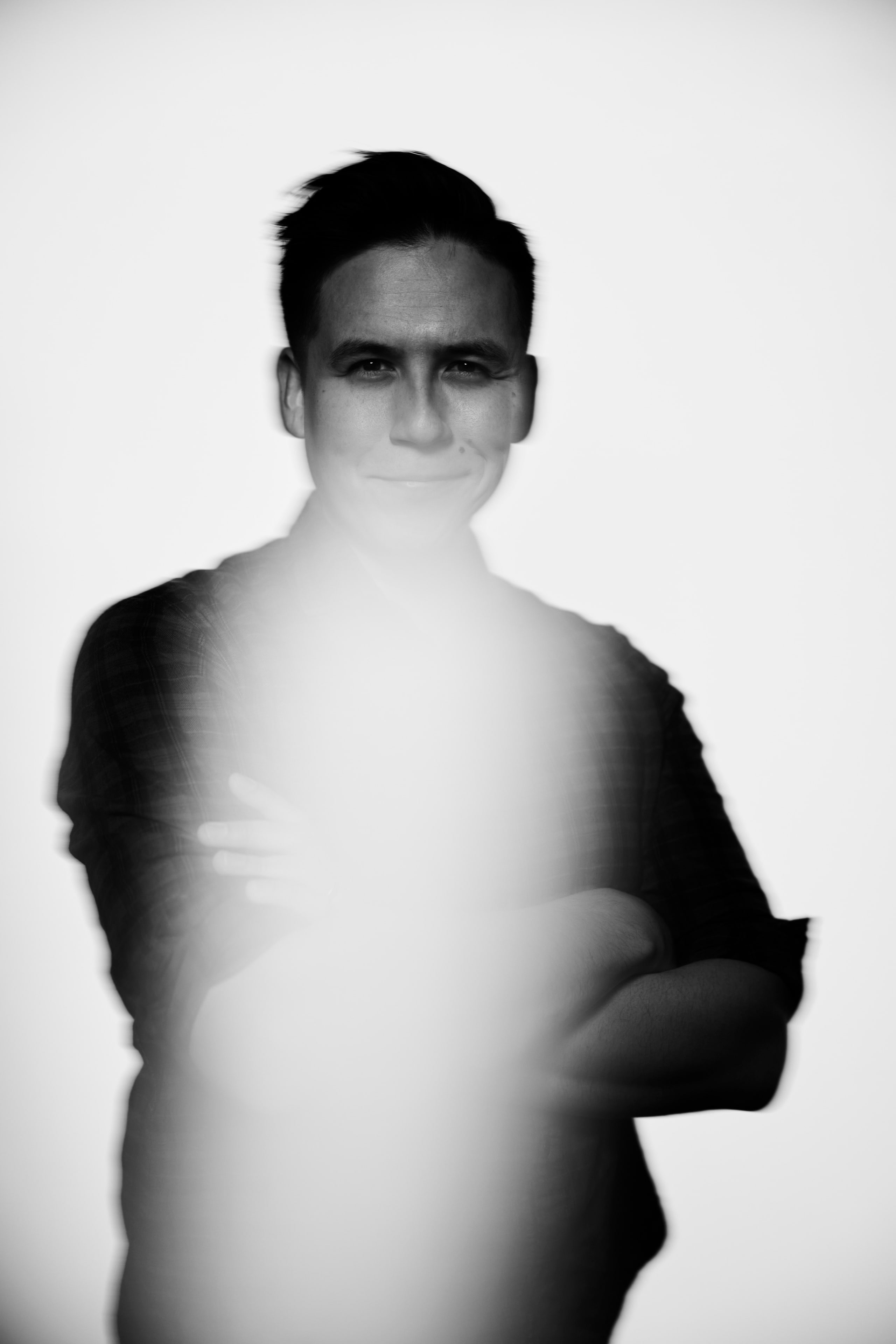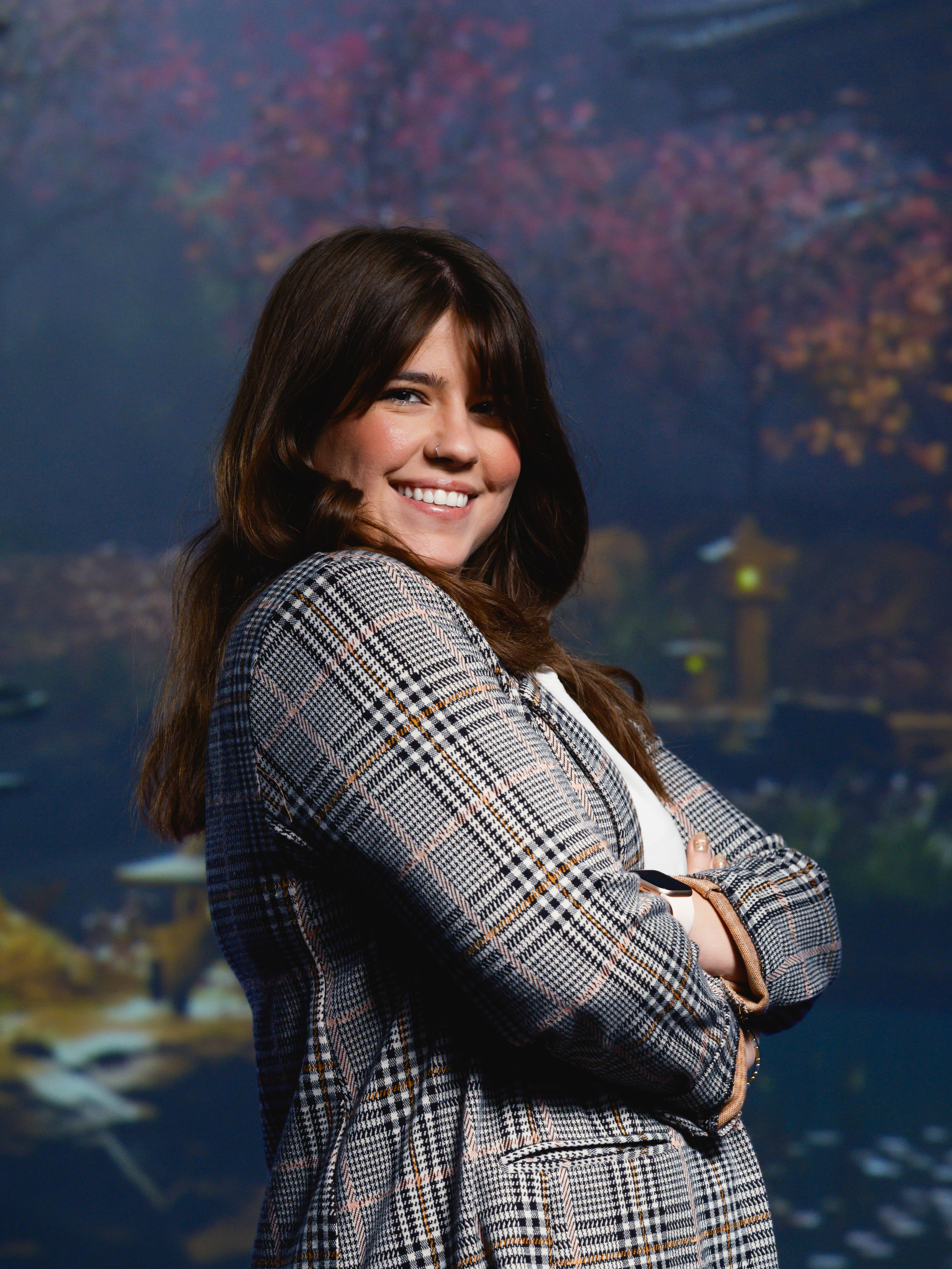
Are AI portrait generators any good?
For some things, yes. Change an outfit? Quick fix some acne? Sure.
If you need a profile picture this afternoon, you’re the only one who’ll use it, and nobody’s meeting you because of it, an AI portrait will probably do the job.
Where do AI portraits fall apart?
- They fall apart in the details people notice up close: hands, glasses, jewelry, collars.
- They don’t quite look like you. The output’s an average of a lot of faces nudged toward yours. It tends to come back a little younger and more symmetrical than you are, and clients who meet you later notice, even if they can’t say what’s off.
- They don’t match across a team. Ten generated portraits don’t sit together on a page, because each one comes back lit and rendered a little differently. That’s the whole point of photographing a team in one session.
How can I tell if it looks like me?
Put it next to a real photo of yourself and show both to somebody who knows you. They’ll tell you in about a second.
When does it matter most?
An AI portrait is weakest wherever somebody’s deciding about you: a sales page, a keynote bio, a real estate sign, an about page.
Is a real session worth it?
An AI portrait costs a few dollars and twenty minutes. A session costs more and takes an hour or two. What you’re buying with the difference is something that looks like you, holds up at any crop, and doesn’t need redoing the first time somebody notices the collar.